We use cookies
They allow us to improve your browsing experience and analyze website traffic. Analytics cookies are used only with your consent. Read our Privacy Policy.
Last updated
Medical Assessment and Informed Donor Participation
Egg donation may be considered when the intended mother cannot use her own eggs or when a fertility specialist recommends donor eggs for other medical reasons. Selecting an egg donor is an important part of treatment, and the screening process is designed to assess the donor's health, ovarian function and relevant genetic and infectious-disease risks.
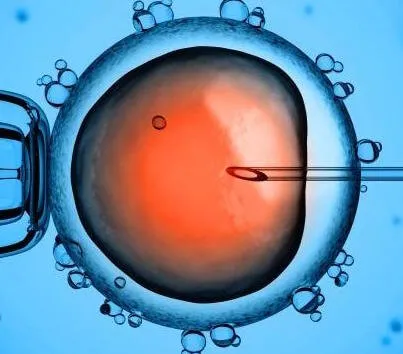
At New Hope, donor matching and screening are coordinated with the fertility clinic. The clinic is responsible for the medical evaluation, stimulation protocol, monitoring and egg retrieval.
Ukrainian Ministry of Health Order No. 787 sets out requirements for oocyte donors. Under the current text, an oocyte donor must be a woman aged 18 to 36, have her own healthy child, be in satisfactory general health, have no hereditary diseases or medical contraindications to participation, and have no harmful dependencies such as drug addiction, alcoholism or toxicomania.
The clinic verifies the applicable requirements and documents before accepting a candidate. Medical eligibility is determined by the treating fertility specialists.
The donor completes a medical and family-history questionnaire. The clinic reviews general health, previous pregnancies, gynecological history, surgeries, medication use, allergies and any personal or family history that may suggest an inherited condition.
The purpose is to identify medical factors that could affect the donor's safety during ovarian stimulation and egg retrieval, as well as information relevant to the health of a future child.
A medical examination and pelvic ultrasound are used to assess reproductive health and the ovaries. Ultrasound may include an antral follicle count, while the fertility specialist may request blood tests or other markers of ovarian reserve to help estimate how the ovaries may respond to stimulation.
The clinic arranges laboratory tests and infectious-disease screening in accordance with Ukrainian requirements and its own protocol. Testing commonly addresses infections that may be transmitted through reproductive tissues, as well as general health considerations relevant to treatment.
The exact panel, timing and need for repeat testing depend on the clinic, the donor's history and the timing of egg collection. No screening panel can eliminate every possible infectious or medical risk.
A review of personal and family history helps identify possible hereditary risks. The fertility specialist or genetic professional may recommend carrier screening for selected inherited conditions or a broader genetic panel, depending on the history and the clinic's policy.
Where donor eggs are used, the genetic results should be considered together with the genetic information available for the sperm source. This helps assess whether both genetic contributors carry variants associated with the same recessive condition. The scope of testing should be explained before consent is given.
Egg donation involves personal, emotional and ethical considerations. New Hope's program materials include psychological screening as part of candidate assessment. A qualified professional may discuss the donor's understanding of the process, motivation, expectations, voluntariness and any questions or concerns.
Professional guidance from the American Society for Reproductive Medicine strongly recommends psychoeducational counseling for oocyte donors. The exact format and requirements are determined by the clinic and applicable local rules.
Once the required information is collected, the clinic reviews the candidate's suitability and confirms whether she may proceed. The intended parents may be provided with donor information permitted under the applicable rules and clinic procedures. In Ukraine, a phenotypic description of a donor may be provided to recipients upon request under Order No. 787.
A donor match is not final medical approval. The clinic must confirm the candidate's eligibility and complete the required assessments before ovarian stimulation begins.
If the donor is approved and agrees to proceed, the clinic plans ovarian stimulation. Medication is prescribed and monitored by the fertility specialist, with ultrasound examinations and blood tests as required. When the follicles are ready, egg retrieval is scheduled.
Egg retrieval is a medical procedure and carries potential risks, including reactions to medication and ovarian hyperstimulation. The clinic explains the expected process, possible complications and aftercare to the donor before treatment.
Donor screening records are confidential medical information. The clinic manages donor records and disclosure in accordance with Ukrainian requirements, informed consent and its privacy procedures. Intended parents should receive clear information about what donor details can be shared before choosing a donor.
New Hope can help coordinate donor matching and the required screening with the fertility clinic. Contact us to discuss whether an egg-donation program may be appropriate for your circumstances.
Thank you for your interest in New Hope. We’ll be happy to assist you with any questions you have about our services.
They allow us to improve your browsing experience and analyze website traffic. Analytics cookies are used only with your consent. Read our Privacy Policy.