We use cookies
They allow us to improve your browsing experience and analyze website traffic. Analytics cookies are used only with your consent. Read our Privacy Policy.
Last updated
Choosing the Right Treatment Pathway
The fertility treatment involved in a surrogacy program depends mainly on whether you already have embryos available. Some intended parents need to create embryos through a new IVF cycle, while others have frozen embryos that may be transferred after the receiving clinic has reviewed and accepted them.
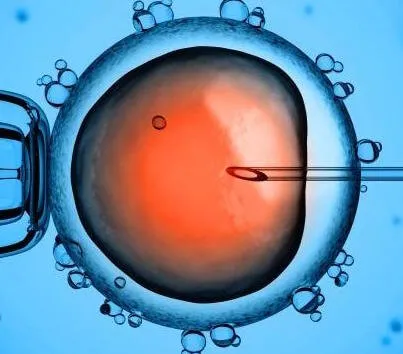
New Hope coordinates the practical arrangements with the fertility clinic. All medical assessments, treatment decisions and procedures are managed by the treating fertility specialists.
If you do not have embryos available, the clinic may recommend an IVF cycle. Depending on the medical circumstances, eggs may be obtained from the intended mother or an egg donor.
The fertility specialist reviews the reproductive history and available medical records of the intended parents. The clinic may request blood tests, infection screening, blood group and Rh testing, hormonal or other laboratory investigations, ultrasound examinations and a general health assessment. The intended father may be asked to provide a semen analysis and other tests required by the clinic.
The exact screening list is determined by the clinic and should be confirmed for the particular treatment plan.
When the intended mother is using her own eggs, medication may be prescribed to stimulate the ovaries to develop multiple follicles. The response is monitored by ultrasound and, when appropriate, blood tests. If donor eggs are used, the donor undergoes the stimulation and monitoring process under the clinic’s supervision.
When the follicles are considered ready, the clinic schedules egg retrieval. The procedure is performed by the fertility specialist, usually with sedation or anesthesia according to the clinic’s protocol.
The eggs are fertilized with sperm in the laboratory. Conventional IVF or intracytoplasmic sperm injection (ICSI) may be used depending on the medical and laboratory indications.
The embryology team monitors fertilization and embryo development in the laboratory. The clinic will explain the number of embryos developing and the available options for transfer, cryopreservation and, where appropriate, genetic testing.
Embryos suitable for future use may be cryopreserved. If genetic testing is planned, the clinic will explain the biopsy and testing process and how the embryos will be stored while results are pending.
A Frozen Embryo Transfer (FET) may be considered when intended parents already have frozen embryos or when embryos have been created during an earlier IVF cycle.
Before a transfer can be scheduled, the receiving clinic reviews the embryo records and confirms that it can accept the embryos and the associated documentation. If the embryos are stored at another clinic, additional coordination or international shipment may be required.
The clinic may request the embryology report, embryo stage and grading, cryopreservation method, date of freezing, number of embryos stored, available genetic testing results and relevant consents or release documents.
The surrogate mother’s endometrium is prepared according to the protocol selected by the fertility specialist. The doctor uses a medicated cycle with hormonal preparation for the embryo transfer.
Ultrasound monitoring is used to assess the endometrium and help determine the timing of progesterone administration and embryo transfer. The medication schedule is prescribed individually by the doctor.
When the embryo and endometrium are appropriately synchronized, the clinic schedules the transfer. The embryo is placed into the uterine cavity using a thin catheter under ultrasound guidance. The procedure is generally brief; the clinic will provide instructions for the day of transfer and the following days.
The clinic will provide the date for the blood beta-hCG test and advise whether repeat testing or an early ultrasound is needed. If pregnancy is confirmed, follow-up care continues according to the clinic’s protocol.
New Hope helps coordinate appointments, communication between intended parents and the clinic, surrogate mother preparation and the practical steps around the treatment cycle. The fertility clinic remains responsible for medical recommendations, medication protocols, embryo assessment and all treatment decisions.
Contact New Hope to discuss whether IVF or FET may be appropriate for your surrogacy program.
Thank you for your interest in New Hope. We’ll be happy to assist you with any questions you have about our services.
They allow us to improve your browsing experience and analyze website traffic. Analytics cookies are used only with your consent. Read our Privacy Policy.