We use cookies
They allow us to improve your browsing experience and analyze website traffic. Analytics cookies are used only with your consent. Read our Privacy Policy.
Last updated
Preserving Embryos for Future Treatment
During IVF, some embryos may be suitable for cryopreservation rather than immediate transfer. Frozen embryos can provide an option for a later transfer cycle, including a future attempt at pregnancy or an opportunity to use embryos that remain after an earlier cycle.
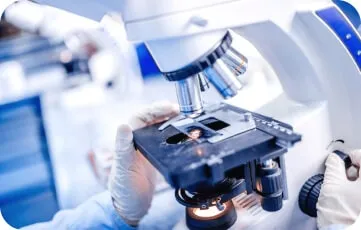
New Hope coordinates embryo storage arrangements with its partner fertility clinics and helps intended parents understand the documentation and practical steps involved.
Embryo cryopreservation is the process of freezing embryos so that they can be stored for possible future use. Modern laboratories commonly use vitrification, a rapid-freezing technique that uses cryoprotective solutions to help reduce ice-crystal formation within cells.
After cryopreservation, embryos are stored in specialized cryogenic tanks, typically using liquid nitrogen at very low temperatures. The laboratory follows procedures for identifying, monitoring and maintaining stored biological material.
Embryos may be cryopreserved when there are suitable embryos remaining after a transfer, when the clinic recommends a freeze-all approach, when genetic testing is planned, or when treatment timing makes a fresh transfer unsuitable.
Embryos may be frozen at different developmental stages, depending on the treatment plan and laboratory protocol. The embryologist determines which embryos are suitable for cryopreservation and explains the available options.
Many embryos survive the freezing and warming process, but survival cannot be guaranteed for every embryo. The outcome may depend on embryo characteristics, developmental stage, laboratory methods and individual biological factors.
The clinic should explain the laboratory's procedure and what happens if an embryo does not survive warming. Embryo quality and survival after warming are not guarantees of implantation, pregnancy or live birth.
In Ukraine, cryopreservation and storage of embryos are documented through the relevant patient application and clinic records under the Ministry of Health's ART Procedure. The clinic records the embryos placed in storage and their subsequent use.
The intended parents should understand who has authority to make decisions about the embryos, what consents are required, how long the clinic's storage agreement applies, what happens when the agreement is due for renewal and how unused embryos may be dealt with under the applicable rules.
Where donor eggs or sperm have been used, the relevant donor and recipient consents must also be taken into account. The legal and consent arrangements should be clarified with the clinic before storage.
At our partner clinic, embryos can be stored for as long as you wish. Storage is arranged under the clinic's storage agreement and your valid consents.
Intended parents should keep their contact details and consent records up to date and respond to the clinic's requests concerning continued storage.
Embryo storage at our partner clinic costs about USD 130 per year. It is a separate service from the original IVF or surrogacy treatment. The clinic will explain its storage fees, payment schedule, renewal procedure and any charges for transfer or release of embryos.
Under the Ukrainian ART Procedure, a patient's biological material may be transported to another healthcare institution in Ukraine or abroad at the patient's request, subject to the required written request and transfer documentation.
Before arranging a transfer, the receiving clinic must confirm that it can accept the embryos and their storage devices and records. The sending and receiving clinics coordinate the release, transport and receipt procedures.
When intended parents are ready to use their stored embryos, the fertility specialist reviews the embryo records and the surrogate mother's medical circumstances. If the embryos are stored at a different clinic, the receiving clinic must review and accept them before the FET cycle is scheduled.
If you have embryos in storage and are considering a surrogacy program in Ukraine, New Hope can help coordinate the review and transfer process with the receiving clinic.
Thank you for your interest in New Hope. We’ll be happy to assist you with any questions you have about our services.
They allow us to improve your browsing experience and analyze website traffic. Analytics cookies are used only with your consent. Read our Privacy Policy.